From Shallow Waters to Deeper Opportunities: How Deep-Sea Seaweed Farming Could Transform Coastal Livelihoods
For generations, seaweed farming has provided an important source of income for coastal communities across East Africa, particularly for women. Yet, for many farmers, the promise of seaweed has not translated into meaningful economic returns.
Farmers often sell seaweed as a raw commodity, leaving much of the value to processors and downstream markets. At the same time, climate change, rising sea temperatures, changing tides, and increasingly challenging farming conditions are affecting productivity and livelihoods.
This raises an important question:
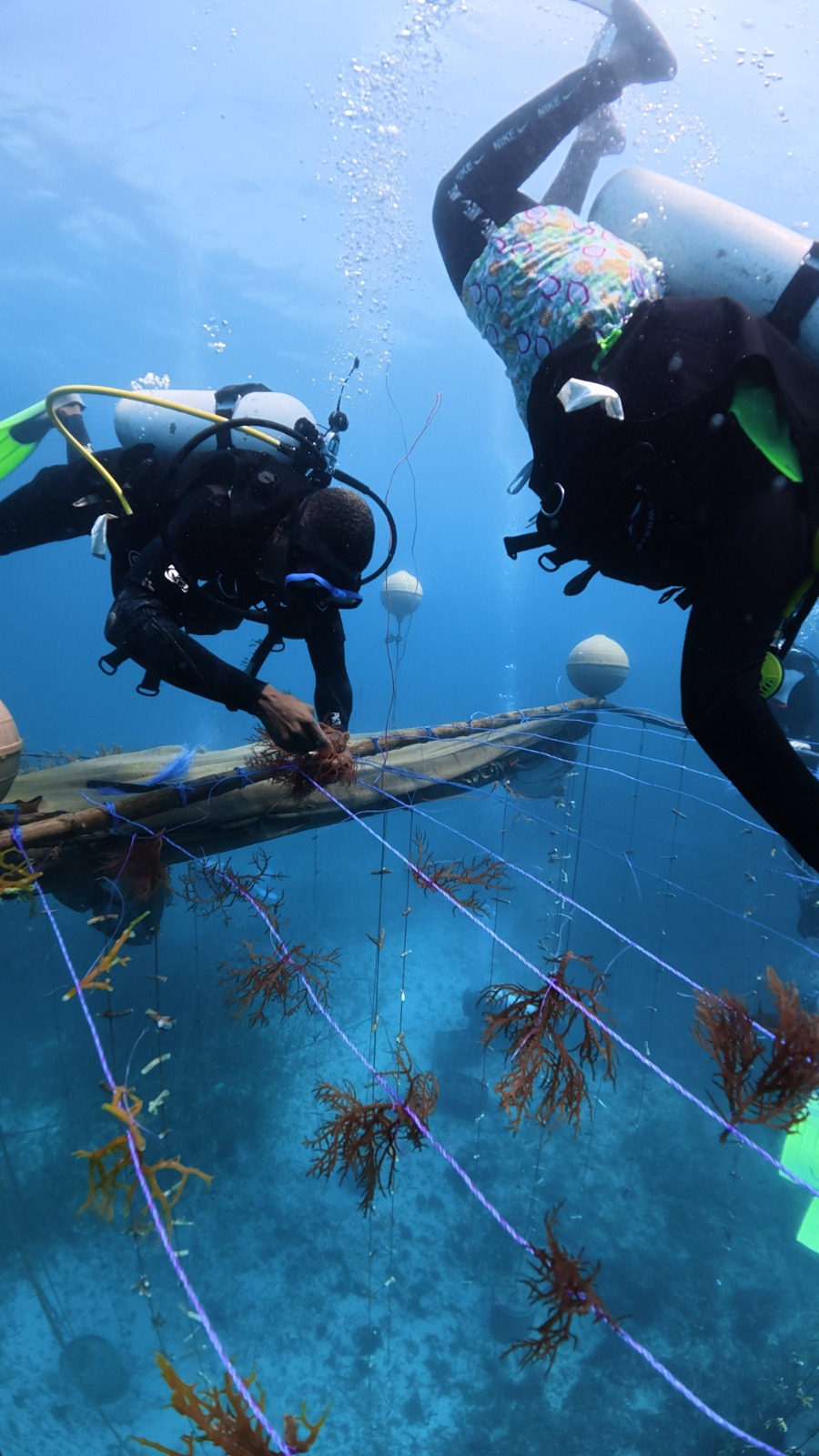
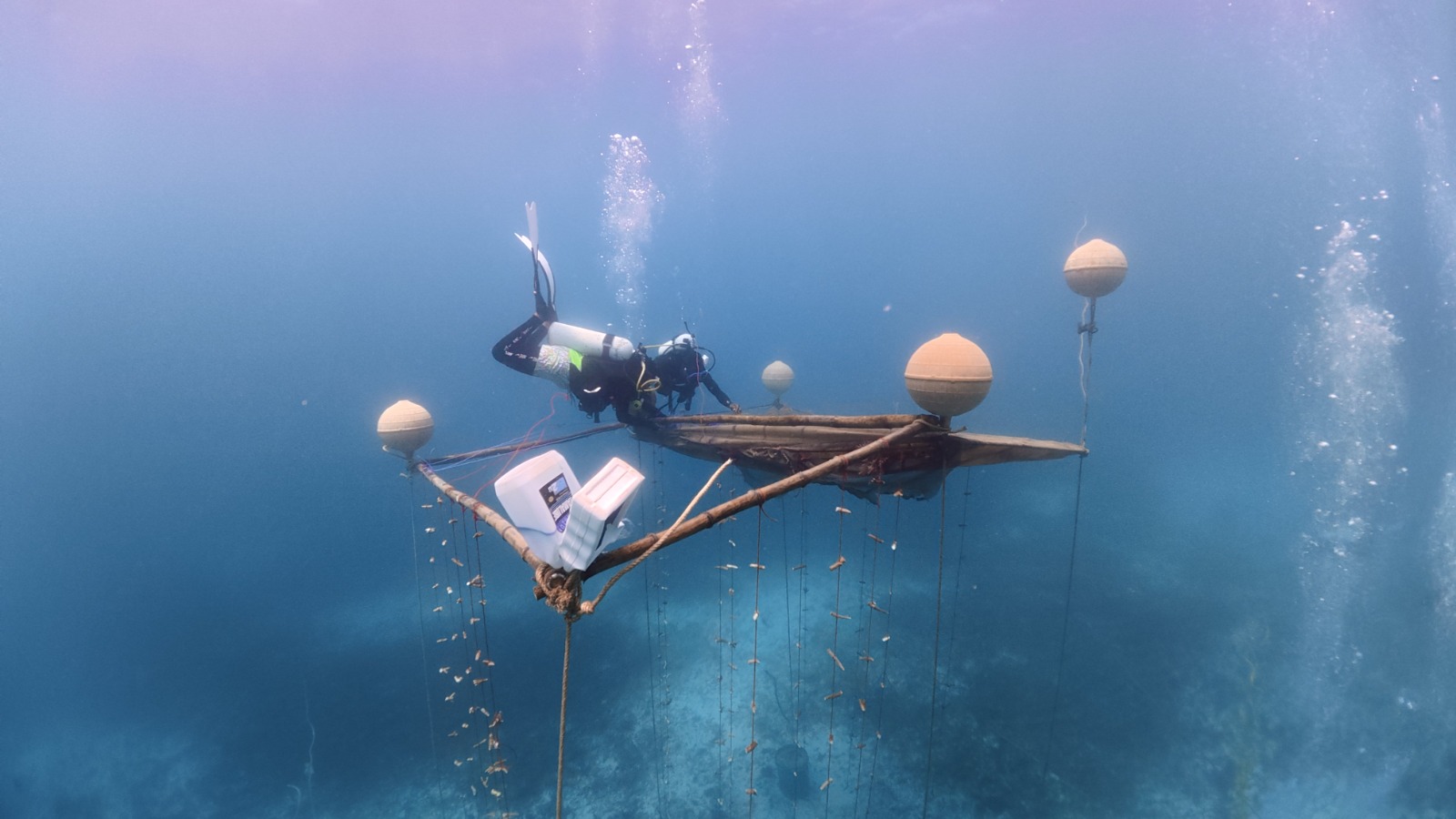
Deep-sea and deeper-water seaweed farming is emerging as one potential pathway for expanding production while opening new opportunities for coastal communities. But technology alone will not transform the sector. The real opportunity lies in combining innovation, skills, markets, value addition, and community ownership.
Beyond the Shoreline
Traditional seaweed farming is commonly carried out in shallow intertidal areas, where farmers can access their farms by wading through the water. While this model has supported thousands of coastal livelihoods, it comes with significant challenges.
Farmers can be exposed to harsh weather, strong tides, changing water conditions, and physical strain. In Tanzania, for instance, where seaweed farming is predominantly carried out by women, climate pressures are increasingly pushing farmers into deeper waters.
SeaBlue Innovators: Turning Seaweed into Opportunity
The experience of SeaBlue Innovators in Tanzania shows what this transformation can look like in practice.
Based in Kigamboni, Dar es Salaam, the youth- and women-led social enterprise works at the intersection of marine conservation, climate resilience and inclusive livelihoods. Rather than focusing solely on seaweed production, it is strengthening the entire value chain from farmer training and processing to product development and market access.
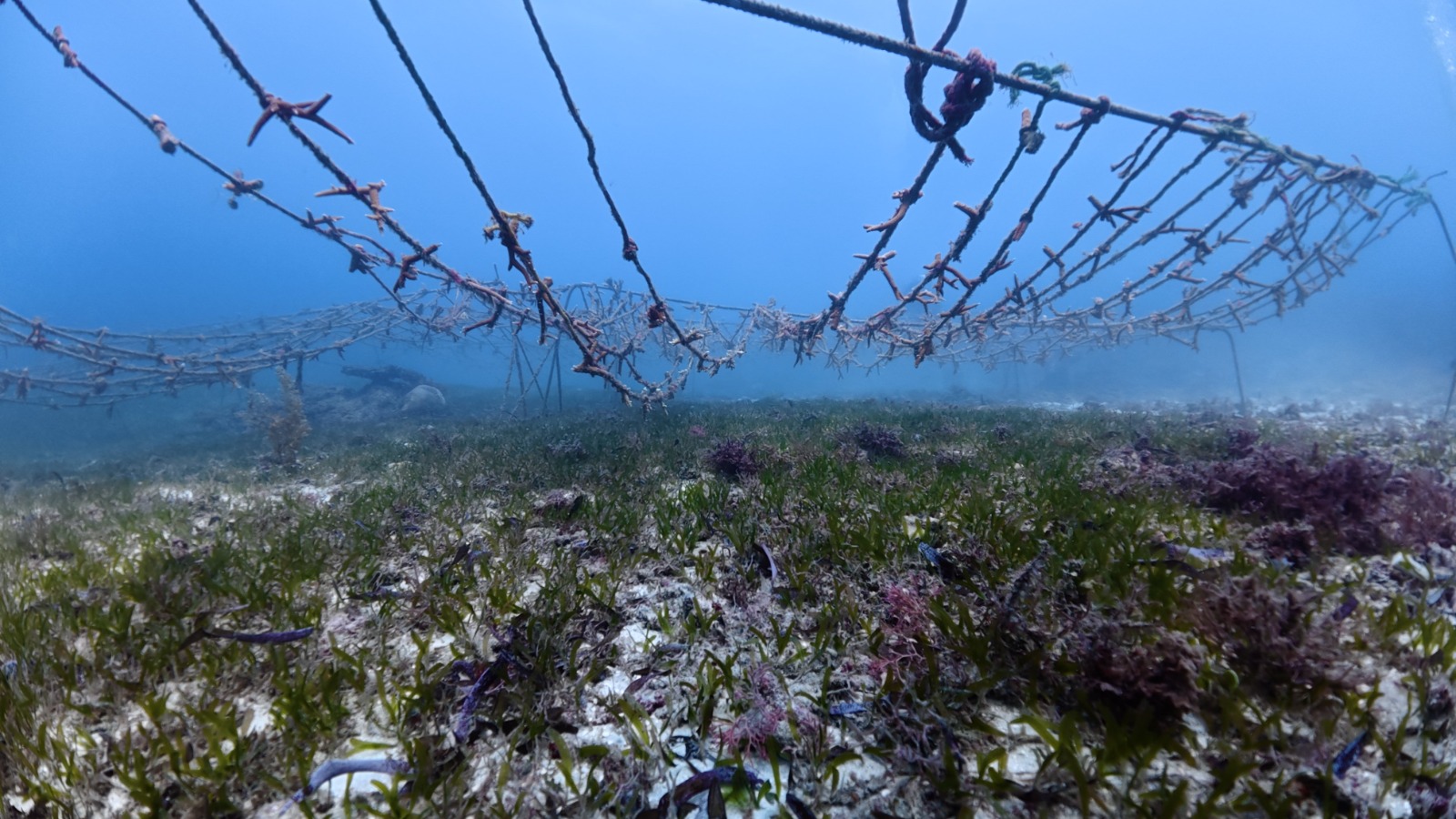
“We came up with a project called Sea Farmers, aiming to close the gap between economic constraints and climate adaptation in seaweed farming. We designed a deep-sea farming model that helps to prepare farmers to reach commercial levels and to improve the quality of seaweed.”
— Says Farhiya Elmy, Co-Founder, SeaBlue Innovators
SeaBlue Innovators was part of the Bahari Innovation Challenge, a Sote Hub and GIZ-implemented initiative under the ProsperBlue Programme that supported early-stage innovators, startups and community-based enterprises in Tanzania’s coastal and island regions. The program focused on aquaculture, fisheries and sustainable tourism, providing entrepreneurs with innovation support, capacity building and equity-free grant funding to help develop and scale their solutions.
Its work highlights an important principle:
SeaBlue Innovators has trained and engaged more than 100 women and young people in sustainable seaweed value chains, while supporting community processing and product development. Its work includes products such as spiced sea moss powder and biodegradable food wraps made from seaweed.
The lesson is simple: seaweed can be more than a raw material. It can drive new businesses, create jobs, and put more value in the hands of coastal communities.