From Waste to Worth: Why Innovation Is Africa's Answer to Plastic Pollution
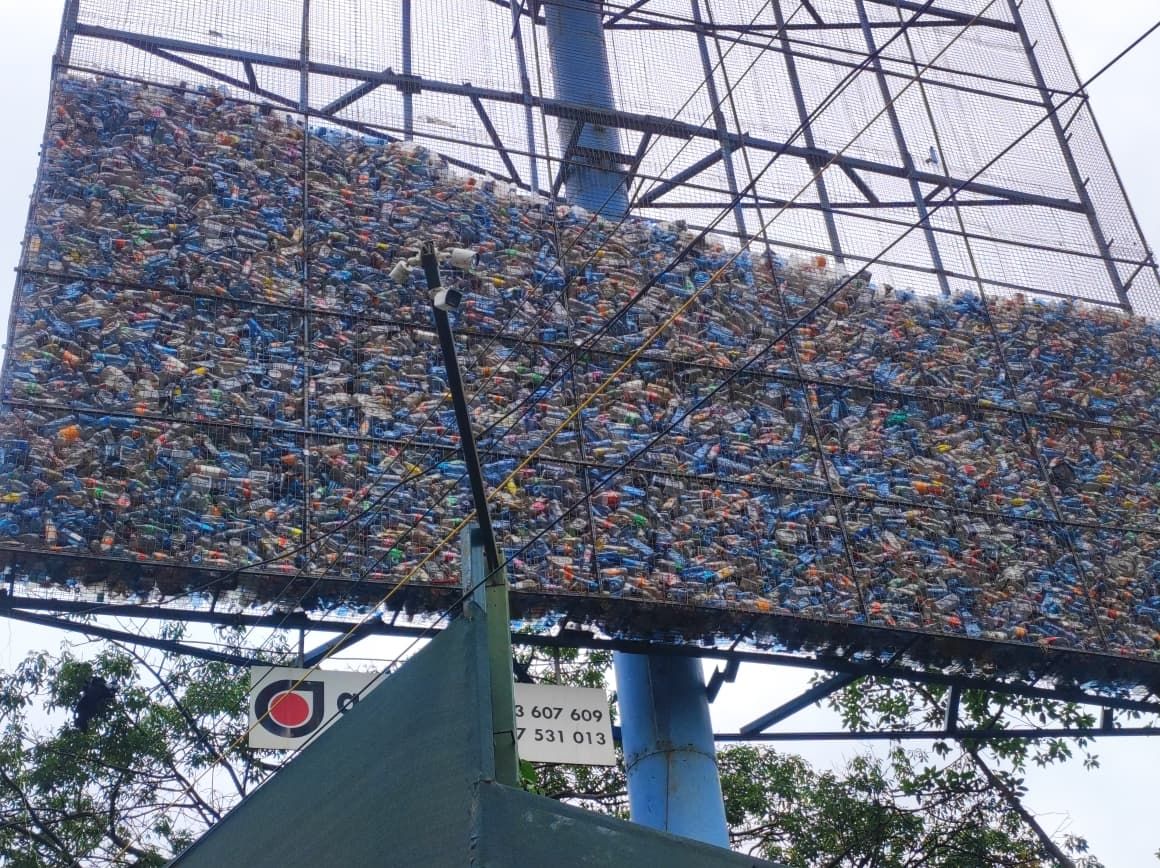
A billboard filled with plastic waste has become one of Nairobi's most talked-about installations, and perhaps that's exactly the point.
Nearly two tonnes of plastic collected from our streets have been packed into a billboard seen by thousands every day, posing a stark question:
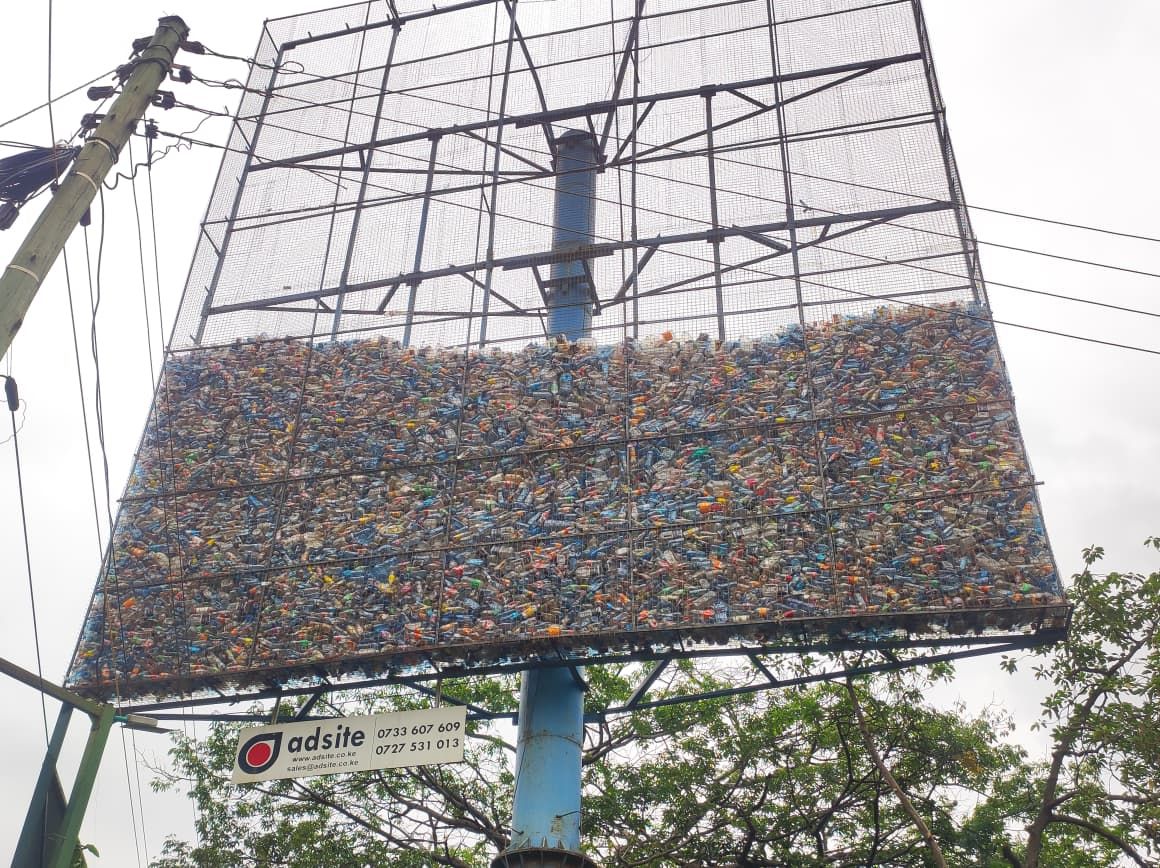 It doesn't advertise a product. It reflects a reality.
Plastic pollution is not only an environmental crisis but also an economic one, harming tourism, fisheries, public health, biodiversity, and the livelihoods of coastal communities across Kenya and Africa.
Yet it also presents an opportunity. Across the country, entrepreneurs are turning plastic waste into a resource by producing construction materials, clean energy, and other circular economy solutions that create jobs. Their innovation shows the answer lies not only in reducing waste, but also in rethinking how we design, use, and recover it.
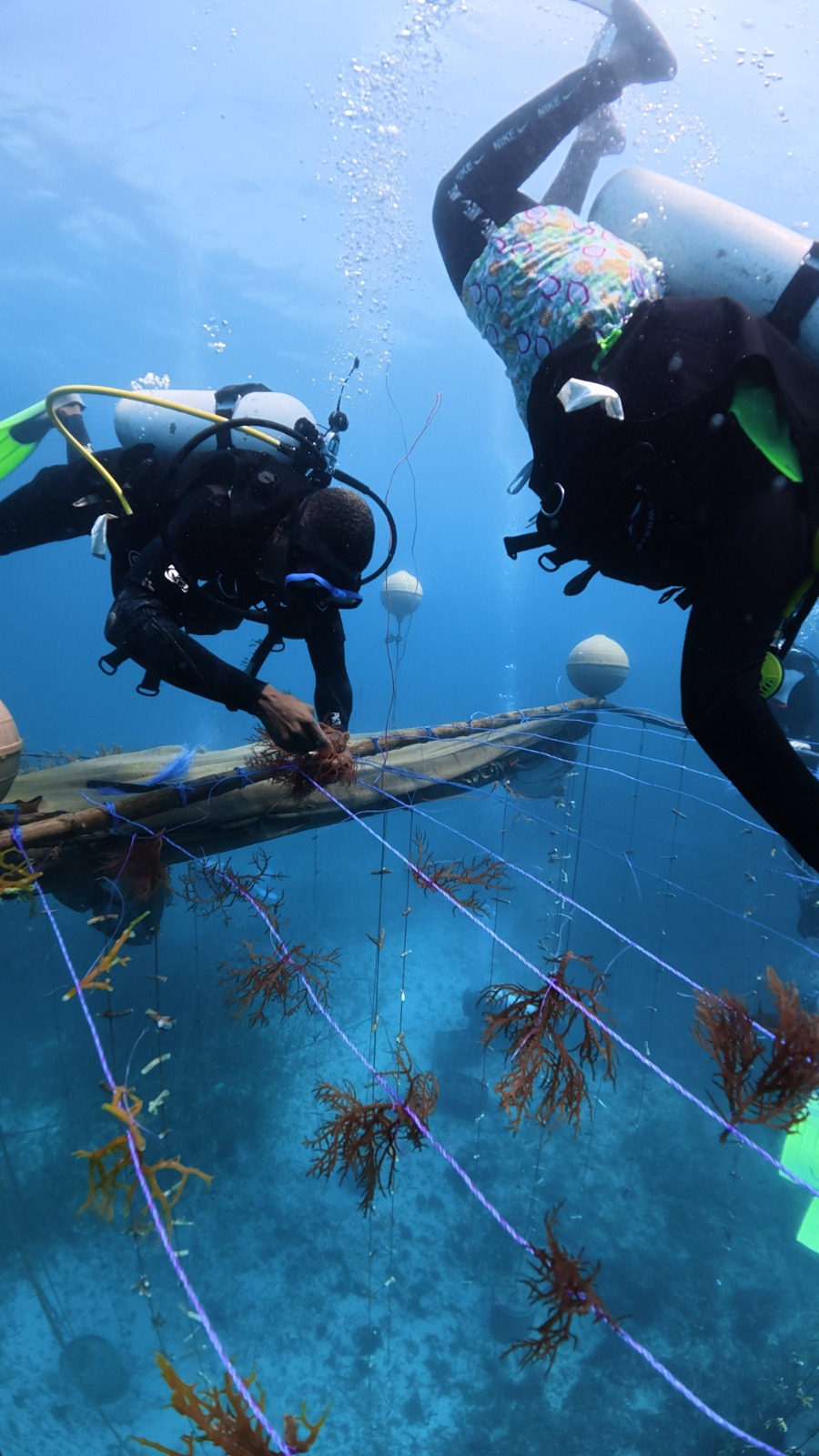
At Sote Hub, we have witnessed this transformation firsthand. Through the Elevate Blue Programme, funded by Norad and implemented with MTI Investment, we support innovative Blue Economy enterprises developing solutions for marine conservation, the circular economy, and climate resilience.
Through the Access to Green Finance Project—an initiative of the Aspen Network of Development Entrepreneurs (ANDE) funded by the IKEA Foundation—we have helped entrepreneurs tackling marine plastic pollution strengthen their businesses, improve investment readiness, and access green finance.
More recently, through the Waste to Work Project, funded by the IKEA Foundation, implemented by VSO, and delivered with Sote Hub as an implementing partner, we continue to empower waste entrepreneurs and strengthen circular economy businesses that create jobs while reducing plastic pollution.
We believe tackling plastic pollution requires more than awareness. It calls for collaboration between innovators, policymakers, businesses, investors, and communities to build a circular economy where waste is not seen as a burden, but as a valuable resource.
Perhaps the billboard is not asking us to look at the plastic.
Perhaps it's asking us to look at our choices.
© Kenya Extended Producer Responsibility Organization (KEPRO).